
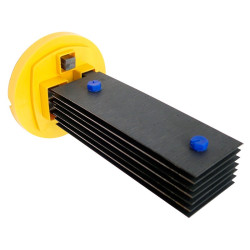
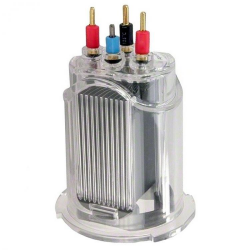
Electrode Cell Salt Water Chlorinator CTX Go Salt / GRE scgphp60 / GRE scgphp100
Price
509 €

A pool salt chlorinator works continuously, controlling the pool’s salinity without adding any chemical products to the water. Take a look at our range: AstralPool salt chlorinators, salt chlorinators with pH controller, and more.
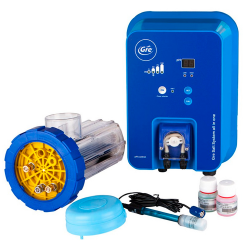
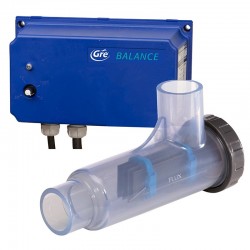
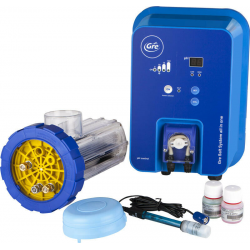
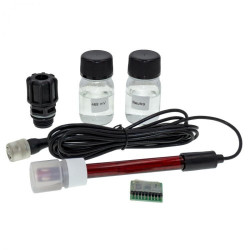
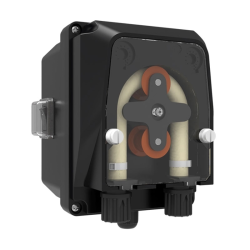
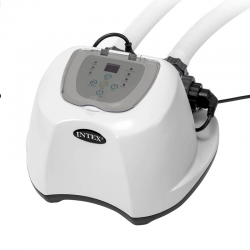
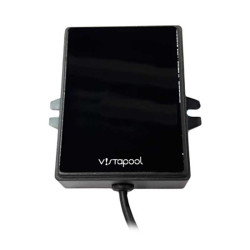
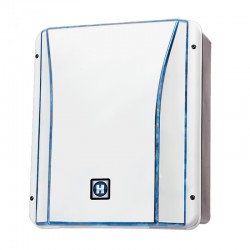
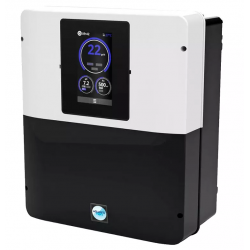
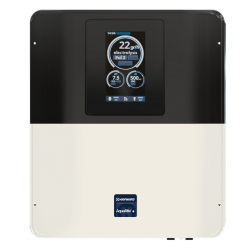
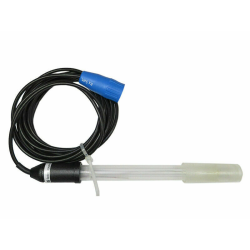
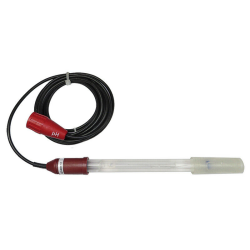
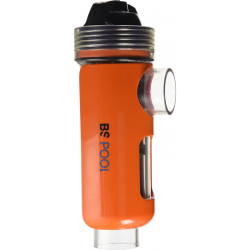
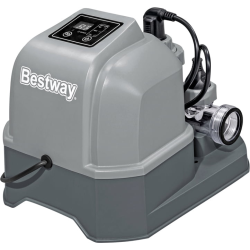
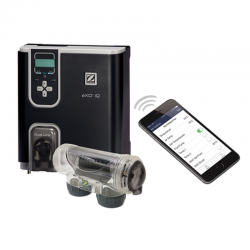
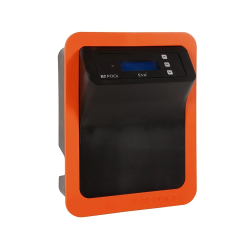
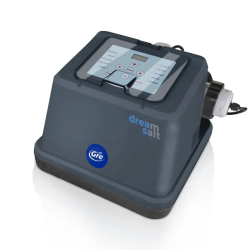
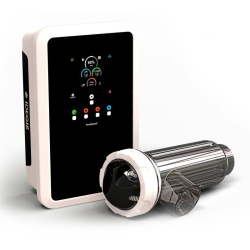
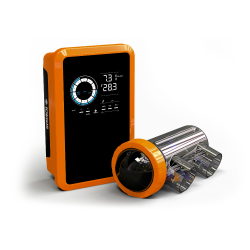
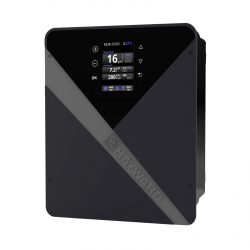
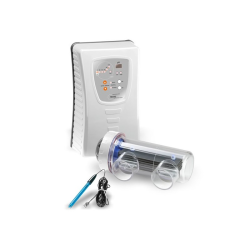
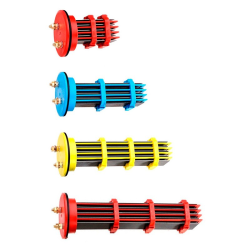
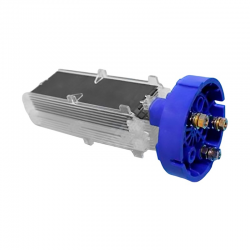
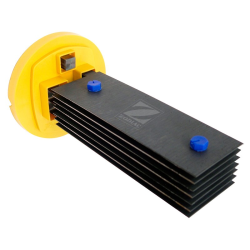
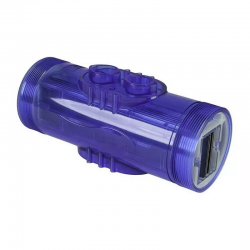
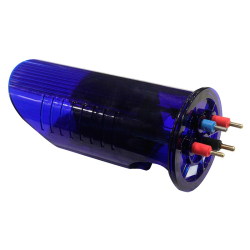
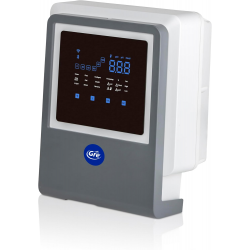
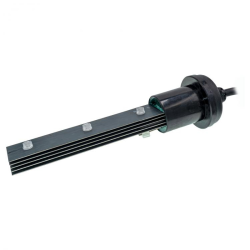
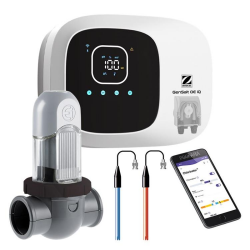

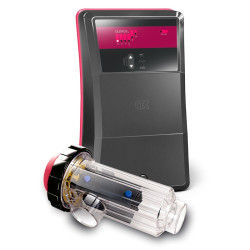
Salt chlorination is currently the ideal alternative to traditional chlorine or chemical disinfection systems. This system provides benefits both for swimmers’ health and for overall water quality.
Salt electrolysis is a chemical process that transforms salt water into sodium hypochlorite by passing it through the electrodes of the salt chlorinator. Sodium hypochlorite is a much more effective disinfectant than many traditional chemicals and is significantly gentler on swimmers’ health.
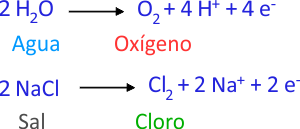
The salt electrolysis process passes an electric current through a saline solution, which is simply the pool water containing approximately 4 - 6 kg / m3 of pure sodium chloride (salt). Two processes take place at the electrodes: anodic and cathodic reactions.
At the POSITIVE pole (anode), three processes occur:
At the NEGATIVE pole (cathode), two processes occur:
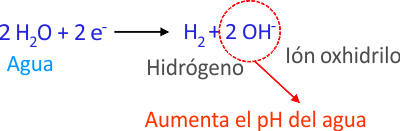
The pool water does not contain chlorine at any moment, since once generated, the chlorine and sodium hydroxide recombine in the water to create a mixture of hypochlorous acid (HClO) and hypochlorite ions.

The process also generates active oxygen (O2), which provides an additional disinfecting effect throughout the entire process.
A salt chlorinator transforms salt into a cleaner and healthier disinfectant than traditional chlorine through an electrolysis process, creating a continuous cycle where salt only needs to be replenished to compensate for evaporation or water replacement.
Take a look at the complete process step by step:
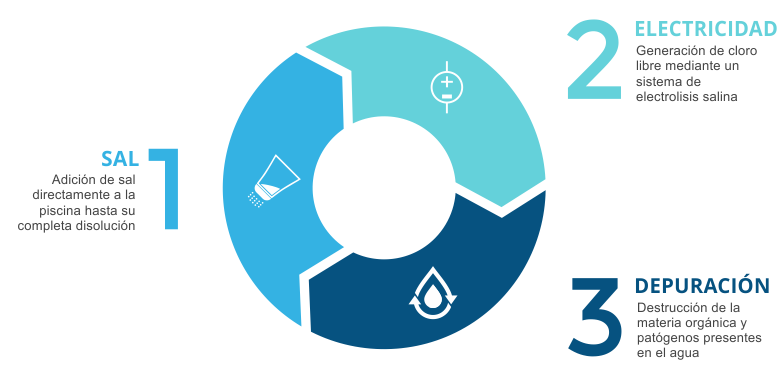
There is no need to worry about the salt level in the pool water, as it is far lower than seawater salinity. Salt chlorinators are available in different capacities, so it is important to choose one suitable for your pool’s water volume.
Swimming pools can contain three types of contaminants: suspended solids, dissolved organic matter, and biological contaminants. An effective treatment system should address all of them.
It feels like swimming in seawater
No. The salt concentration is much lower than seawater, ensuring effective disinfection while remaining gentle on the skin and eyes.
It is difficult to install
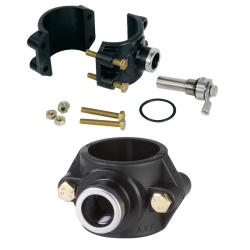
Installing a salt chlorination system is very simple. The chlorinator only needs to be installed on the pool return pipe so the water passes through the electrolysis cell.
Salt water damages garden plants and outdoor furniture
This is completely false. The salt concentration is very low and does not damage plants, garden materials, or outdoor furniture.
You only need to add salt and forget about maintenance
Although salt chlorination is simple and economical to maintain, regular pool maintenance and water monitoring are still essential.
There are two important aspects to consider before purchasing a salt chlorinator for your pool:
Recommended chlorine production according to pool volume:
Once you know these values, you can choose the ideal salt chlorinator for your swimming pool by checking the technical specifications of each model.
Many pool equipment manufacturers now offer their own salt chlorination systems. After many years of experience, Mercapool mainly works with products from three trusted manufacturers selected for their reliability, efficiency, and accessible technical support.